
"sustainable restaurants"
149 article(s) found
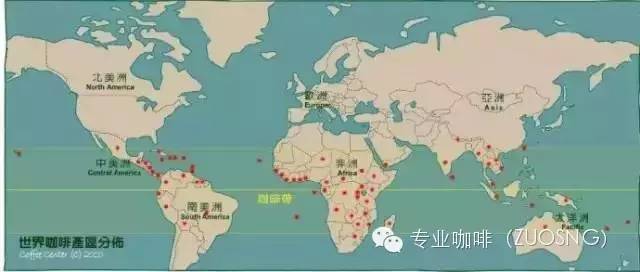
The Historical Progress of Coffee in China: how did Coffee enter China?
The history of coffee introduced into China is not long, and it was not until 1884 that coffee was first planted in Taiwan. In the mainland, the earliest coffee cultivation began in Yunnan. At the beginning of the 20th century, French missionaries brought the first batch of coffee saplings to Binchuan County, Yunnan Province, and coffee began to be grown on the mainland. In terms of natural conditions, many parts of our country, Latin America, South America, India and India

Why is Starbucks so successful? -eight things Starbucks won't tell you.
Introduction: MarketWatch reporter CHARLES PASSY (61.99,0.53,0.86%) reveals the top ten secrets of Starbucks (61.99,0.53,0.86%), points out the reasons for their success, existing problems, and gives some advice to consumers. The following is the full text of Percy's commentary: 1. Many coffee fans don't like to own our coffee in 65 countries and regions around the world.
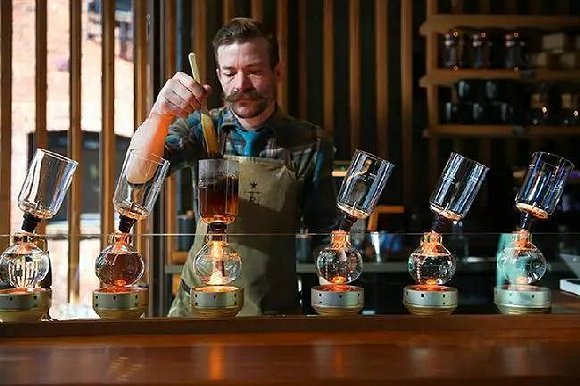
Sell space and lifestyle like Starbucks? Maybe in the end, it's an emotion.
Professional baristas Communication Please follow the Coffee Workshop (official Wechat account cafe_style) once upon a time the horses were slow, the letters were far away, and there was only one person to love in one's life. At present, the economy is developing rapidly, but the society is in vogue to strive for speed. However, the fast-paced life exposes many people to many challenges, such as high stress, overload, asphyxiation caused by constant acceleration, and constantly looking for better ways to deal with it.

Apocalypse of Blue bottle Coffee | the glory and price of moving from a street stall to an international market
The physical store of Blue bottle Coffee in San Francisco. Photo / Joshua Rainey Photography@Shutterstock February 2014 Blue bottle Coffee opened in Tokyo, starting in San Francisco, the Blue bottle, known as the "Apple of the coffee industry", officially went international, giving the world a new understanding of the coffee culture rooted in San Francisco. The Blue bottle has swept the media and social networking sites, San Francisco and New Zealand.
Development of Coffee production and processing in Vietnam Central Plains Coffee Highland Coffee Moche Coffee
Vietnamese coffee (c ph, literally iced coffee) is a kind of dripping coffee. The aroma is strong, the sour taste is light, the taste is smooth and moist, the fragrance is slightly bitter, the aroma is rich, refreshing and refreshing. Representative products are moossy Coffee, Central Plains Coffee, Saigon Coffee (SAGOCAFE), Highland Coffee. The geographical location of Vietnam is very favorable for coffee cultivation.

Vietnamese Coffee Bean vinacafe and Central Plains G7 Coffee
Vietnamese coffee, strong flavor, sour taste, smooth and moist taste, mellow slightly bitter, rich aroma, refreshing, representative products are Central Plains Coffee and Highland Coffee. A modified Vietnamese pot is used to extract pure Vietnamese coffee beans by dripping. And the most important feature of Vietnamese coffee beans is baked with special cream, so it will be rich.

Introduction of Vietnam Coffee Asian Fine Coffee Bean producing countries
Vietnamese coffee, strong flavor, sour taste, smooth and moist taste, mellow slightly bitter, aromatic, refreshing, representative products are Central Plains Coffee and Highland Coffee. A modified Vietnamese pot is used to extract pure Vietnamese coffee beans by dripping. And the most important feature of Vietnamese coffee beans is roasted with special cream, so there will be rich tropical coffee.

Asian boutique Vietnamese coffee
Vietnamese coffee has a strong aroma, light sour taste, smooth and moist taste, slightly bitter aroma, full-bodied aroma, refreshing and refreshing. The representative products are Central Plains Coffee, Saigon Coffee (SAGOCAFE), Highland Coffee and moossy Coffee. The geographical location of Vietnam is very favorable for coffee cultivation. Southern Vietnam has a hot and humid tropical climate, which is suitable for growing ROBUSTA coffee.

A brief introduction to the introduction to Coffee roasting, the complete Book of Coffee self-baking
When the author published the first edition of this book in 1996, roasting coffee beans at home was something that only tireless coffee addicts would do. At that time, roasting coffee beans was a very difficult thing to master, and roasters had to work hard to find a way to roast coffee beans to a moderate brown. Today, individuals still roast coffee beans at home.